F&B
Restaurant Storage Racks: Setting Up a Dry Store That Passes Inspection
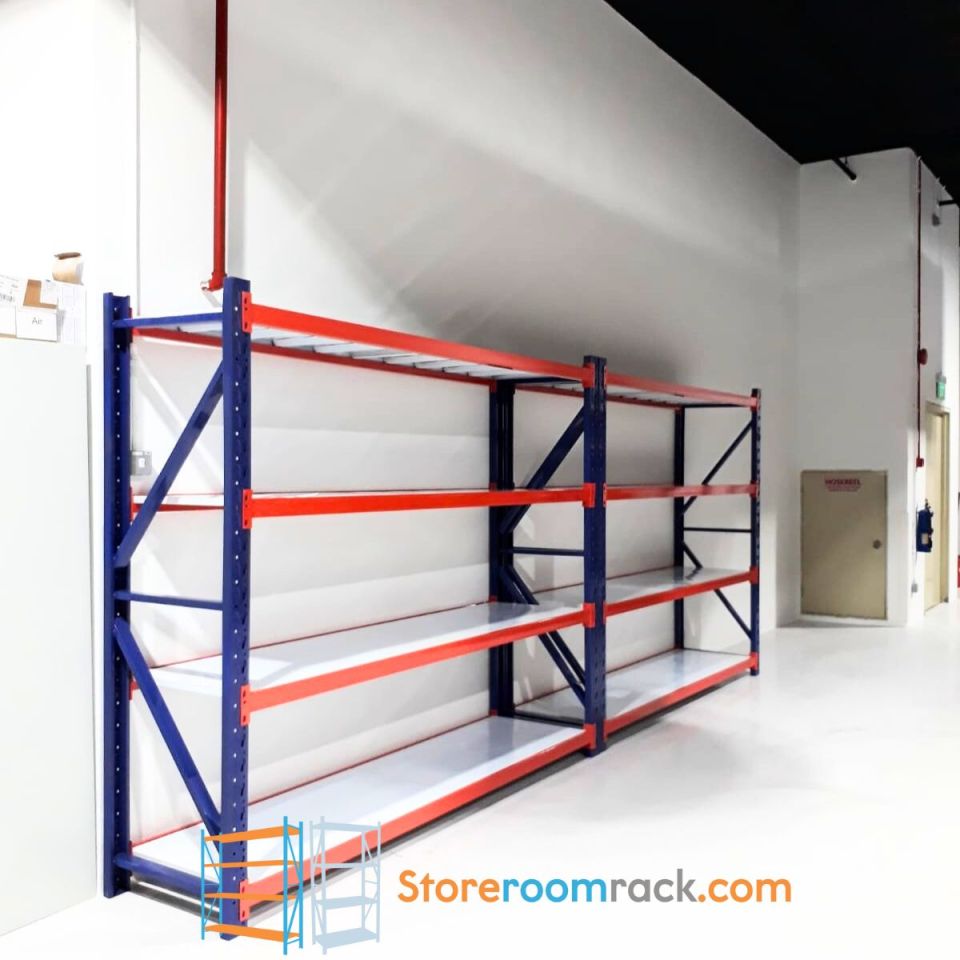
A good rack for a restaurant does more than hold boxes. It keeps food off the floor, makes the oldest stock easy to find, separates chemicals from ingredients and survives daily wipe-downs. Here is how to set up a dry store or central-kitchen store room that runs smoothly — and looks good on inspection day.
Choose a rack that is easy to clean
Avoid timber and chipboard: they absorb spills and odours and are hard to sanitise. Powder-coated steel shelving has a smooth surface that wipes clean and does not swell. White racks also make dirt and pests easy to spot. Our boltless rack is a popular choice for restaurant and café dry stores for exactly these reasons.
Keep everything off the floor
Food-safety checklists commonly ask for food and ingredients to be stored at least 15cm off the floor. Set the bottom shelf at that height or higher so the floor underneath can be mopped and checked for pests. Never use the floor as "temporary" storage for deliveries — that is how it becomes permanent.
Size the rack for your heaviest items
Rice, flour and sugar commonly come in 10kg or 25kg bags; cooking oil in heavy tins; drinks in dense cartons. Add them up per shelf:
- up to 200kg per shelf — a light-to-medium duty boltless rack;
- above that, or for central kitchens storing bulk — a 400kg warehouse rack.
Always store the heaviest items on the lowest shelves. It is safer for the rack and for the backs of your staff.
Shelf depth for small back rooms
Restaurant store rooms are rarely generous. A 50cm deep shelf takes most cartons and sacks while leaving a usable aisle; 40cm suits narrow corridors and smaller packs. Very deep shelves are a false economy in F&B — items get pushed to the back and forgotten.
Set up FIFO with labels
First in, first out only works if it is effortless:
- Give each product one fixed location and label the shelf edge.
- Date-label every item as it arrives.
- Load new stock behind existing stock, never in front.
- Do a quick weekly check of the oldest dates on each shelf.
Separate chemicals and non-food items
Cleaning chemicals, pest-control products and packaging should be on a separate rack — ideally in a separate area — and never stored above food. A small, clearly labelled chemical rack prevents contamination and confusion.
Plan around the kitchen's fixed points
Keep racks clear of floor traps, grease traps, electrical points and gas lines, and away from heat sources such as ovens. Leave the aisle wide enough for a delivery trolley — around 90cm minimum — so deliveries are put away in one trip.
Don't forget the chiller
Walk-in chillers need their own rules about airflow and clearances. We cover them in our cold room storage rack guide, and you can see how we plan whole F&B back-of-house areas on our restaurant and F&B racking page.
Planning racking for your business? Send us your floor plan and we will design the layout and quote it for free — usually within one working day.